

What is a digital twin? It is a virtual representation that mirrors its real-world counterpart in real time and stays in sync through data. A drawing or a one-off simulation does not qualify without that live connection.
Picture a utility with a pump station drawing and a model run once for a design review. Now picture a model that shows the pressure, flow and state of each pump as they are right now. Only the second is a twin. This guide sits within technology for business innovation and works through the definition, the twin-versus-simulation test, where twins are used, a build outline and the cost picture.
What a digital twin actually is
A digital twin is a digital representation of a physical asset that is connected to it by data and kept in sync with it, as a Tributech explainer puts it. A Denodo glossary describes the same idea as a virtual representation that mirrors its real-world counterpart in real time. The asset can be a machine, a pump station, a substation or a vehicle.
The link runs both ways. Status flows from the asset to the twin, and commands can flow back to the asset. That return path separates a twin from a dashboard that only displays readings.
The data comes from sensors, IoT devices and other sources, according to the same Denodo glossary. If a proposal has no live data feed, it describes a model or a drawing, not a twin.
Digital twin versus simulation: a simple test
The test is whether the model receives live data from its asset. A one-off simulation or drawing is not a twin, according to Tributech. A twin continuously updates with live sensor data, as ATS notes in contrasting it with traditional simulations.
| Criterion | Digital twin | One-off simulation |
|---|---|---|
| Data connection | Continuous updates from live sensor data | No live connection to the asset |
| Direction of data | Status flows to the twin; commands can flow back to the asset | Inputs are set for the run |
| Typical role | Provides the current state of the asset | Tests scenarios |
| Counts as a twin? | Yes, when the sync is maintained | No, on its own |
The comparison draws on ATS for the live-update point and Tributech for the roles and the one-off distinction.
The model, shadow and twin classification
A widely used classification by Kritzinger and colleagues (2018) separates the digital model, the digital shadow and the digital twin by whether data flow between asset and digital object is manual or automatic. Use it when a vendor calls a product a twin. Ask which parts of the data flow are automatic and whether anything returns to the asset.
They work best together
The two are not rivals. The twin supplies the current state of the asset, the simulation tests scenarios against it, and any resulting change returns to the physical asset through the twin. Teams that already run simulations therefore have a head start, not a sunk cost.
Where the concept came from
Michael Grieves introduced the concept in 2002 at the University of Michigan, in the context of product lifecycle management, according to Tributech. The term itself took hold around 2010 through NASA technology roadmapping co-led by John Vickers, where it described the virtual counterpart of a flight vehicle.
That history explains the emphasis on complex, high-value assets. Aerospace needed a faithful virtual counterpart of a vehicle that could not be inspected easily once in service. Product lifecycle management supplies the idea that a product’s data should follow it from design onward.

Industries that use digital twins
Twins appear wherever an asset is costly to stop, hard to reach or sensitive to wear. The shared reason is visibility: the twin shows an asset’s state without anyone standing next to it.
Manufacturing
Denodo lists production efficiency, quality control and predictive maintenance as the manufacturing benefits. Predictive maintenance identifies potential failures before they occur, reducing downtime. This suits plants where unplanned stoppages cost more than the sensors and software needed to watch the equipment.
Water utilities
The twin of a pump station shows pressure, flow and the state of each pump, per Tributech. It suits operators who manage many remote sites and want one consistent view of each.
Energy
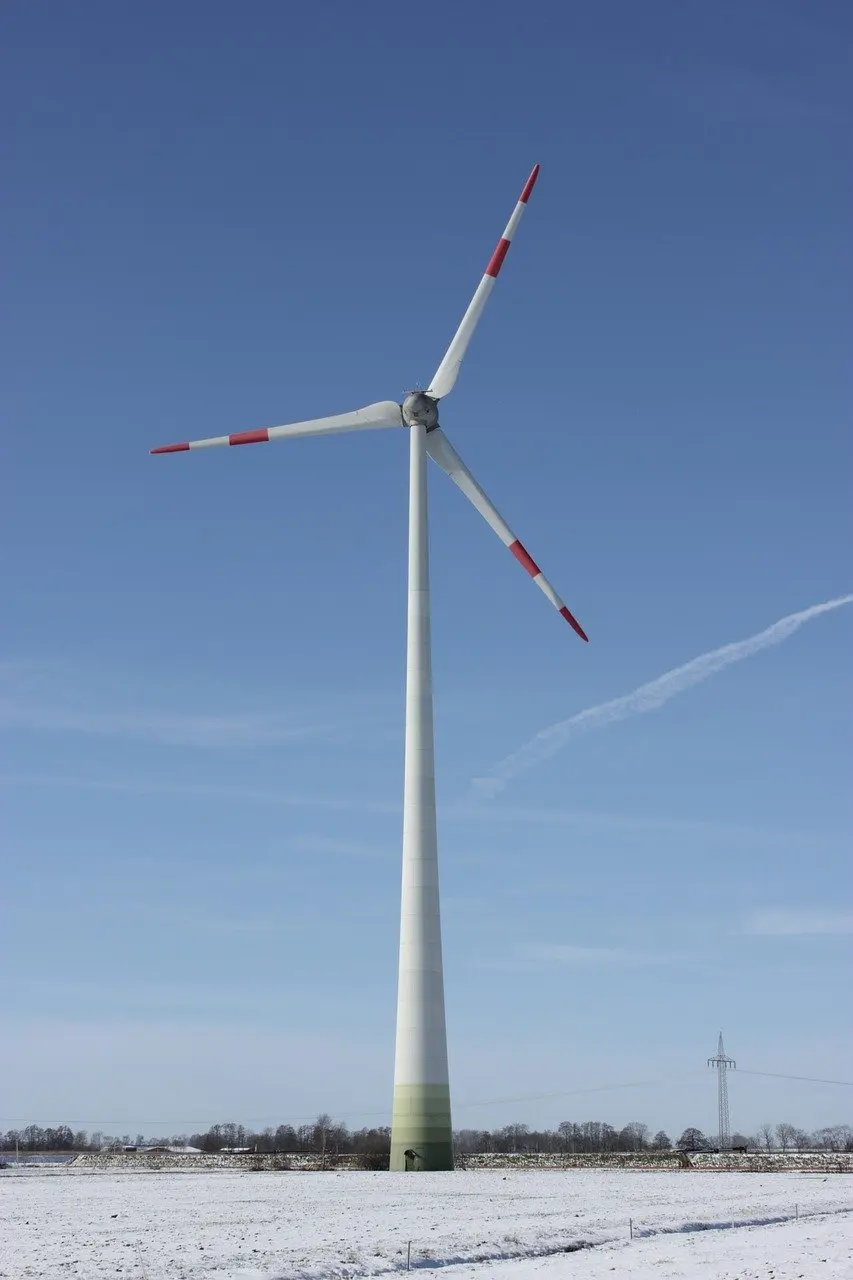
The twin of a substation or battery storage system shows breaker states, transformer temperature and load, again according to Tributech. Wind generation is a familiar asset type in the same sector, though the supporting material describes substations and storage specifically.
How to build a digital twin
A useful twin needs four things, according to Tributech: a stable identity, live data, a model and relationships. The steps below follow that list and add the data connection details from the same sources.
- Give the asset a stable identity. Each physical asset needs one persistent identifier, so every reading and every command refers to the same twin.
- Connect live data. Software reads values from the asset over industrial protocols such as OPC UA, Modbus or MQTT. Sensors and IoT devices supply the readings, and ATS describes real-time sensor data being transmitted to the twin once a production line runs.
- Build the model. The model represents the asset’s structure and behaviour, so the incoming values have something to update.
- Define relationships. Link the twin to related assets, such as a pump to its station, so a reading can be read in context.
- Close the loop. Allow commands and changes to flow back to the asset, so the twin does more than display status.
If existing equipment cannot expose its values through such protocols, the connection step is where projects stall. Older estates may need the groundwork described in legacy system modernization before a twin is realistic.
What a digital twin costs
Setting up digital twin technology requires significant resources, and Denodo describes the initial investment as high. No published cost range or named public-project figure is available to quote, so any single price should be treated with caution unless it states which asset, sensors and integrations it covers.
A defensible estimate comes from scoping the four requirements above for one specific asset. Start with a single asset whose downtime is costly, since predictive maintenance on such equipment is the benefit most clearly described for manufacturing. Expand only after that twin demonstrates value.
Choosing whether you need a twin: a checklist
- Check for a live data source. If the asset cannot supply sensor or protocol data, a simulation or model is the realistic option.
- Name the decision it will support. Predictive maintenance, quality control and remote monitoring are the documented uses.
- Decide whether the loop should close. If commands must return to the asset, plan for two-way data from the start.
- Pair it with simulation where scenarios matter. Use the twin for current state and simulation for what-if testing.
- Scope a single asset first. This keeps the high initial investment bounded.
Teams that also want staff to view assets through headsets can compare approaches in augmented reality in business.
Frequently asked questions
Is a simulation the same as a digital twin?
No. A one-off simulation is not a twin because it lacks a continuous live link to the asset. A twin updates from live sensor data, while a simulation tests scenarios.
Who came up with the idea?
Michael Grieves introduced the concept in 2002 at the University of Michigan, within product lifecycle management. NASA technology roadmapping around 2010 popularised the term for a flight vehicle’s virtual counterpart.
Do digital twins need sensors?
They need live data, which comes from sensors, IoT devices and other sources. That data is read from the asset over protocols such as OPC UA, Modbus or MQTT.
Is a digital twin expensive?
Setup is described as requiring significant resources and a high initial investment. Scoping one asset gives a more reliable estimate than a generic figure.
Which industries benefit most?
Manufacturing, water utilities and energy are the documented examples. Their shared need is visibility into asset state and early warning of failures.